

Zimbabwean Football Is Not Poor. Has It Been Under-Sold?
By PSL Editorial Desk · 22 September 2026
A derby can fill Rufaro and the diaspora moves billions. So why does a football year still hang on one title-sponsor renewal? A look at the three engines of a modern league.
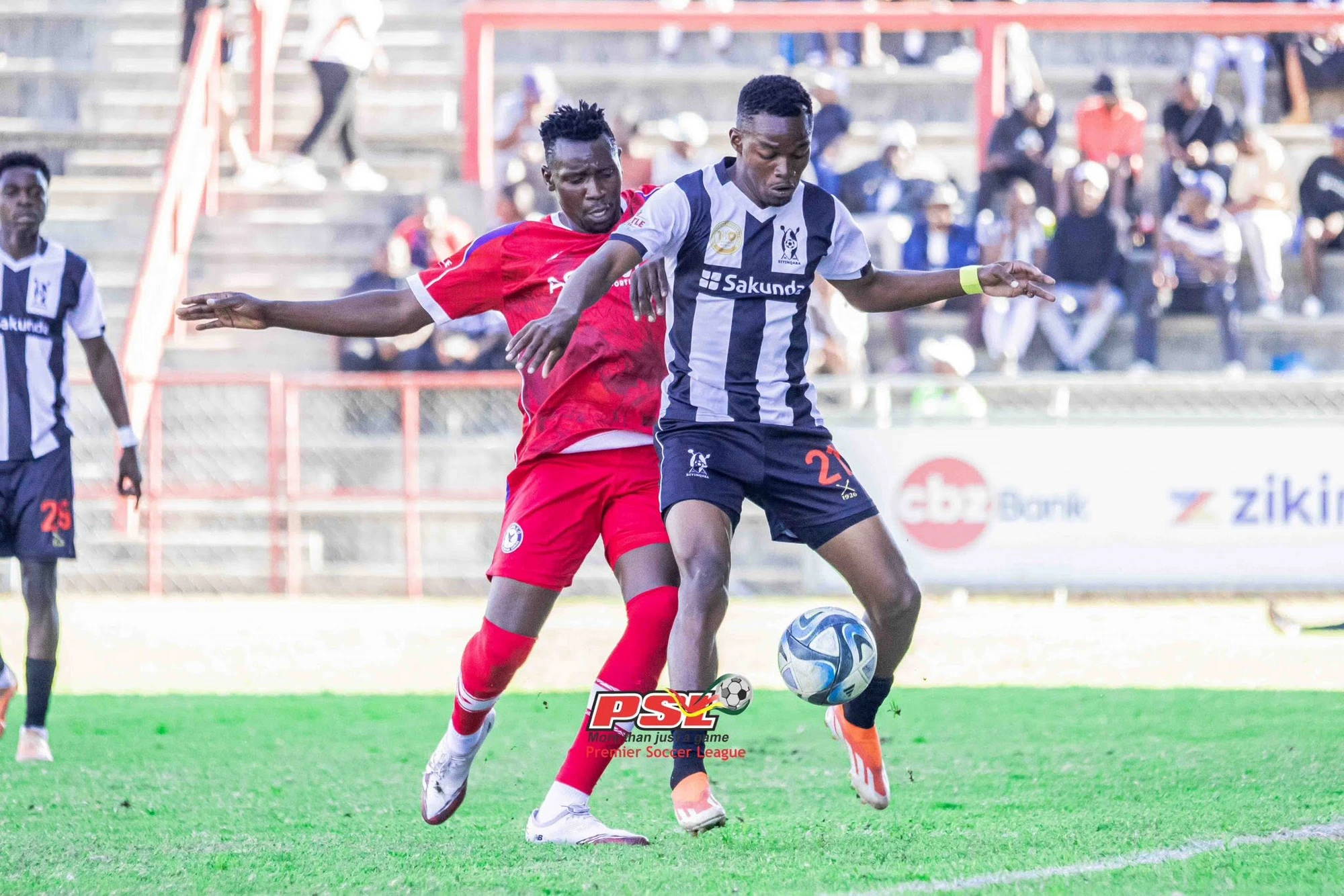
Mature leagues live on three engines. Matchday is the oldest: tickets, hospitality, food, the ground as a place of business. Broadcasting is the one that changed the sport: a rights fee large enough to give clubs income whether the stands are full or not. Commercial is the third, and in England, Germany and even South Africa it is no longer another word for a shirt sponsor. It is merchandising, digital membership, licensed products, archives, friendlies and a diaspora that can be billed monthly. Have those three engines been treated here as one conversation?
The Castle Lager name on the league is real support and should be acknowledged as such. Delta's latest three-year package for the Premier Soccer League and the Chibuku Super Cup was worth about US$3.39 million, with the larger share assigned to the league. That is not a small gesture. The useful question is whether a title sponsor can be asked to carry work that, in a more developed market, would sit beside a broadcast contract and clubs able to earn from supporters who never buy a ticket.
The broadcast story is where the language most needs care. SuperSport once bought live Zimbabwean league football and took it across the continent. That era ended after 2017. Matches now appear mainly on ZTN Prime. A later arrangement put a magazine programme back on SuperSport. Those are not small things. Exposure has value. Sponsors notice cameras. Players notice cameras. The country notices itself. But is exposure the same product as rights? What used to be sold as television rights now often arrives as visibility. Visibility is a shop window. Is it the till? A league can be seen and still not be paid in the way a rights market pays. That is a question about the model, not about anyone's character. It is the difference between being on television and owning a television business.
Matchday is where the public has already voted. Attendances have risen this season. Hundreds of thousands of paying supporters have gone through the gates. The Harare derby put 25,000 into Rufaro. Big afternoons at Barbourfields still produce serious money even after the ground owner and the usual stakeholders have taken their share. Ticket prices went up and people still came. That is demand. Demand is an asset. What happens to that asset when it is asked to fund too much of a club on its own? Recent relief on levies recognised the pressure on the gate. Does that relief replace the need to build other lines of income around it?
This is where the definition of commercial may need to widen. In established leagues the word covers everything that is not the turnstile and not the rights cheque. In Zimbabwe, has it come to mean sponsorship and advertising because those are the invoices most clubs know how to raise? A shirt front. Perimeter boards. A launch. A photograph. Perfectly respectable. Are they sufficient if the league's broadcast and digital pipes are still being built? If commercial means only the hunt for another logo, is a fundraising calendar being asked to do the work of a business plan?
The next stage, if clubs want one, looks like inventory. Does a club need a membership, not only a crowd? A paid digital membership for supporters who will not be in Harare on Sunday is not a slogan. It is a subscription: training footage, a vote on a third kit, a stream, a shirt posted to a flat in Birmingham or Perth. Is the diaspora only a choir for public holidays, or is it a market? Estimates of Zimbabweans abroad run from under a million in official counts to several million in wider ones. They sent home about US$2.45 billion last year. They already buy European football without being asked twice. The question is not whether they care. It is whether a Zimbabwean club has built a till they can reach.
Streaming follows the same logic. Hoping a continental broadcaster will restore a full live-rights deal is one path. Building a league-owned or club-owned stream, priced for Mbare and for Johannesburg, with highlights that do not vanish into someone else's page, is another. It would be imperfect. Every league that now lives on streaming began imperfect. Merchandise is the test in cotton. If the official shirt exists for three weeks after a launch, and cannot be paid for in the way a nurse in Luton actually pays for things, has the club entered retail, or has it held a photoshoot?
None of this asks a club to stop being local. It asks whether local should be the edge of the market. Dynamos, CAPS United and Highlanders already have names that travel. Newer sides have momentum, facilities and a story the camera likes. Are both groups still organised, too often, as Saturday operations with a treasurer? A business names its profit centres. Matchday. Media. Membership. Retail. Player trading. Use of the venue when the team is away. Each with a target and someone responsible when the season is calm, not only when it is not.
The objections are familiar and some of them are fair. The economy is difficult. Payments fail. Stadiums belong to councils. Supporters are asked for loyalty before they are given a clean receipt. Those are constraints. Are they an argument against putting a price on things people already want? Other African leagues have sold memberships, kits and streams in difficult conditions because they decided those things were lines in a budget rather than decorations around a sponsor's logo.
The hard point can be put as a question. If a country can fill a derby, and if a diaspora can move billions, should a football year hang quite so completely on the renewal of one title deal? Castle Lager has kept the competition visible and viable. That deserves credit. Can visibility be asked to do the work of a rights market, a membership scheme and a shop? Should the supporter in Mbare and the supporter in Milton Keynes be able to buy the same club in different ways? The next stage of Zimbabwean football may not arrive only because a larger cheque is written. It may arrive when a club can say, in ordinary language, what it intends to earn from people who will not be in the ground, and then builds the dull machinery to collect it. Until then, will the league keep looking louder than its ledgers? That would not be a lack of passion. It would be a market that has not yet been asked to exist.